
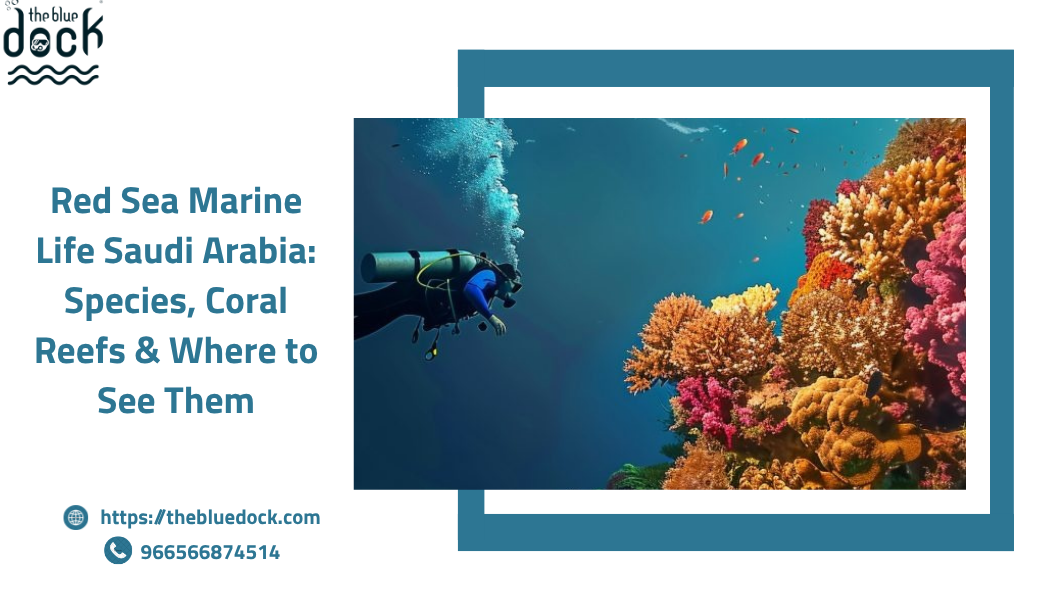
Red Sea Marine Life Saudi Arabia is far more diverse than colorful coral reefs and tropical fish. The Kingdom’s Red Sea coast supports a wide range of marine habitats where visitors can encounter reef fish, corals, sea turtles, sharks, rays, dolphins, dugongs, manta rays and whale sharks.
Saudi conservation organizations describe the Red Sea as a major marine biodiversity hotspot. SHAMS states that Red Sea coral reefs host more than 300 coral species and around 1,000 fish species, while the National Center for Wildlife documents diverse populations of marine mammals, turtles, sharks, rays, reef fish and invertebrates across Saudi protected areas.
For divers, snorkelers and marine-life enthusiasts, this diversity means that different regions can offer very different underwater experiences. Shallow coral gardens may reveal butterflyfish, parrotfish and other reef species, while deeper reefs and offshore habitats can bring encounters with sharks, rays and larger marine animals.
For visitors in Jeddah, this ecosystem can be explored through guided diving, snorkeling and boat-based experiences. The Blue Dock provides access to Red Sea experiences for beginners and experienced divers who want to explore the underwater environment with professional guidance.
Planning to explore Red Sea marine life in Jeddah? Choose an experience that matches your diving level, whether you are looking for snorkeling, a first scuba experience, a diving course or a guided boat trip. You can also visit The Blue Dock as a local Diving Center in Jeddah to explore available experiences and plan your visit.
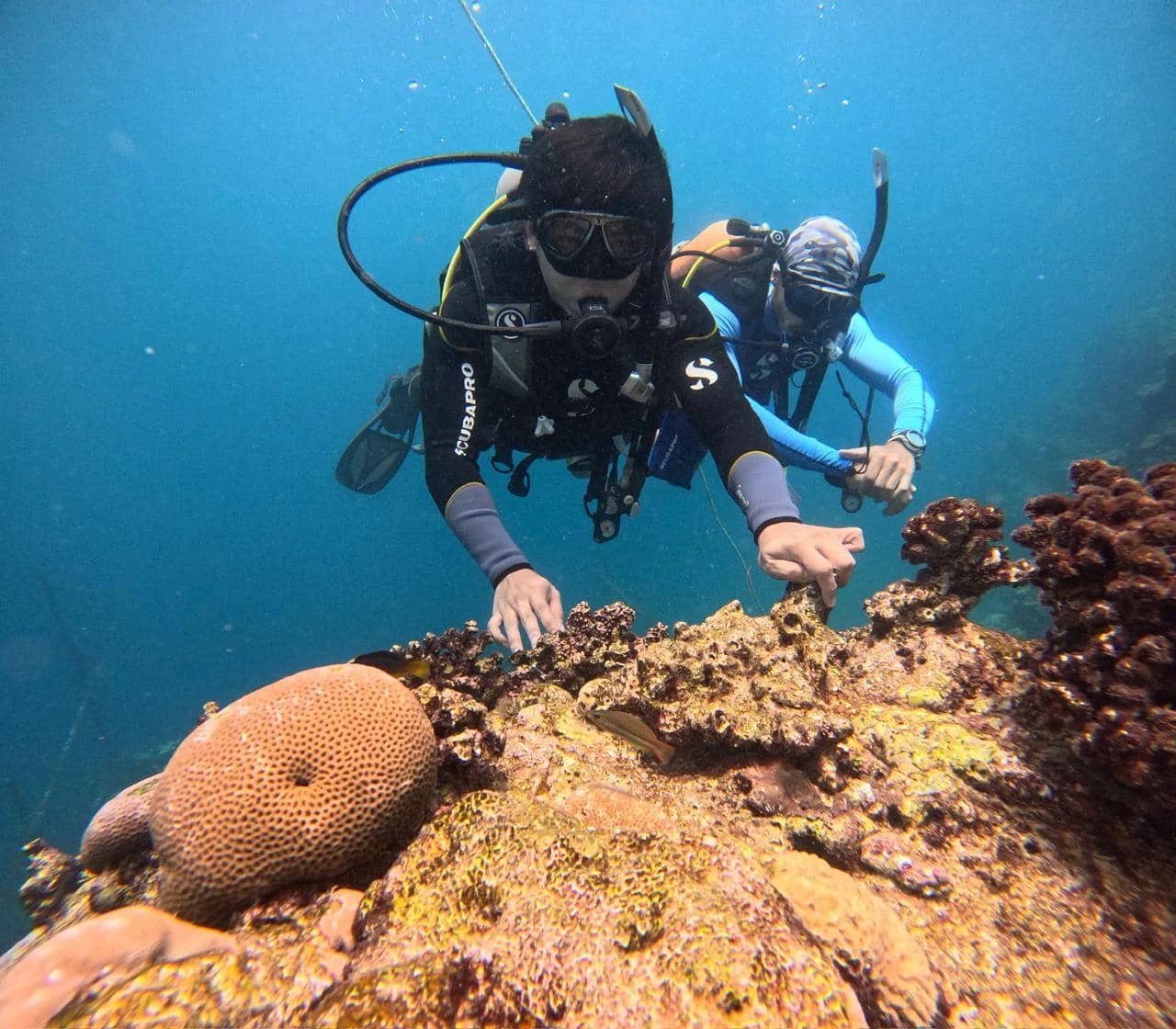
What Marine Life Can You See in Saudi Arabia’s Red Sea?
The easiest way to understand marine life in Saudi Arabia Red Sea environments is to look at the habitats that support different species. Coral reefs provide shelter and feeding grounds for reef fish and invertebrates, while seagrass meadows support species such as sea turtles and dugongs. Deeper reef edges and offshore environments can provide habitat for larger fish, sharks and rays.
This variety means visitors can experience very different forms of marine life depending on where they enter the water. A shallow reef close to shore may be dominated by colorful schooling fish and corals, while a deeper offshore environment may reveal larger predators, rays or pelagic species.
Common Saudi Red Sea marine species and marine-animal groups include:
- Hard and soft corals
- Butterflyfish and parrotfish
- Groupers, wrasses and snappers
- Barracuda and trevally
- Moray eels and other reef predators
- Green and hawksbill turtles
- Dolphins
- Sharks and rays
- Manta rays
- Whale sharks
- Dugongs
- Numerous marine invertebrates
The exact animals you encounter depend on location, depth, habitat, water conditions and season. That makes the surrounding habitat just as important as the species list when planning a marine-life-focused trip.
Why Is Red Sea Marine Life Saudi Arabia So Diverse?
The diversity of Red Sea Marine Life Saudi Arabia is closely connected to the combination of coral reefs, seagrass meadows, shallow coastal habitats and offshore environments found along the Kingdom’s long Red Sea coastline.
Coral reefs create physical structure and shelter, while seagrass beds provide feeding and nursery grounds for turtles, dugongs and many smaller organisms. Offshore areas add deeper habitats that can support larger fish, sharks, rays and other pelagic species.
These connected ecosystems allow animals with very different behaviors and habitat needs to exist within the same broader marine environment.
Why Are Coral Reefs Saudi Arabia Red Sea Habitats So Important?
Coral reefs are the foundation of much of the marine biodiversity Saudi Arabia is known for. They create complex underwater structures where fish and other organisms can feed, reproduce and seek shelter.
Small reef animals use coral formations as protection, while larger predators rely on the same ecosystem as feeding grounds. A healthy reef therefore supports multiple levels of marine life rather than a single group of species.
The combination of reef structure, fish populations and invertebrate communities helps explain why coral reefs Saudi Arabia Red Sea habitats can support different marine communities from one location to another.
Hard Coral Species and Reef Structures
Red Sea coral species Saudi Arabia supports are an important part of the physical framework of many reef systems. Hard corals produce calcium-carbonate skeletons that create surfaces, crevices and shelters used by a wide range of organisms.
Depending on the site, visitors may see branching corals, rounded colonies, plate-like structures or mixed coral formations. Reef complexity can influence which fish, crustaceans and other species are able to use a particular area for shelter and feeding.
The distribution of Red Sea coral species Saudi Arabia is also influenced by local depth, habitat characteristics and environmental conditions, which helps explain why neighboring reefs can look very different underwater.
Soft Corals and Reef Diversity
Soft corals add another layer of movement and texture to Red Sea reefs. Their flexible colonies can create a very different visual environment from rigid hard-coral structures and contribute additional habitat to reef communities.
Together, hard and soft corals help explain the visual and ecological variety found across the Saudi coast. Healthy reefs can support communities ranging from tiny invertebrates to schooling fish and larger predators.
Red Sea Fish Species Saudi Arabia: What Lives Around the Reefs?
Fish are among the most visible components of Red Sea marine ecosystems. A healthy reef can contain small schooling fish, algae-eating herbivores, larger predators and species closely associated with particular coral habitats.
The range of Red Sea fish species Saudi Arabia supports is much broader than what can normally be observed during a single dive. Two sites in the same region may produce different encounters depending on reef structure, depth, current and food availability.
Butterflyfish
Butterflyfish are among the most recognizable reef fish because of their distinctive patterns and close relationship with coral habitats. They can often be seen moving around coral formations while feeding or searching for shelter.
Their presence contributes to the visual diversity of the reef while also reflecting the availability of healthy coral habitat.
Parrotfish
Parrotfish are important herbivores within coral ecosystems. They graze on algae growing across reef surfaces and therefore contribute to the balance between algae and coral growth.
This means that reef fish Saudi Arabia are not simply part of the underwater scenery. Different species perform ecological roles that help support the wider reef ecosystem.
Observing reef fish Saudi Arabia across different habitats can also reveal how coral structure, food availability and depth influence the species found at a given site.
Groupers and Snappers
Groupers and snappers occupy another important position in the reef food web. Larger species can act as predators and are often associated with reef structures, rocky areas and drop-offs.
Their presence adds another level to the food chain, connecting smaller reef organisms with larger predatory fish.
Barracuda, Trevally and Other Reef Predators
Barracuda and trevally may be encountered around reef edges, channels and areas where smaller fish gather.
Other fish commonly associated with Red Sea environments include wrasses, angelfish, surgeonfish, anthias, lionfish and moray eels. These species demonstrate how varied a single reef community can be, even when larger marine animals are not present.
Red Sea Animals Saudi Arabia: From Reef Fish to Marine Mammals
The range of Red Sea animals Saudi Arabia supports extends from tiny reef organisms and invertebrates to turtles, rays, sharks, dolphins, dugongs and whale sharks.
This broader category is useful because not every marine animal depends on coral reefs in the same way. Some species are closely linked to reef habitats, others rely on seagrass or shallow coastal zones, and larger animals may travel through offshore waters.
Because Red Sea animals Saudi Arabia include species occupying very different habitats, no single snorkeling session or dive site can represent the full biodiversity of the Saudi Red Sea.
Sharks in Red Sea Saudi Arabia: What Can You Encounter?
Yes, sharks are a natural part of the Red Sea ecosystem. Saudi protected-area records include reef sharks alongside rays and numerous reef fish, while marine conservation programs monitor sharks and other large marine animals as part of wider ecosystem research.
That does not mean every diver will see a shark. Sightings depend on location, habitat, depth, environmental conditions and animal behavior.
Reef Sharks
sharks in Red Sea Saudi Arabia waters can be associated with coral and rocky habitats, reef edges, channels and deeper sections of dive sites.
Their movements are less predictable than those of many resident reef fish, so sightings should always be treated as natural wildlife encounters rather than guaranteed attractions.
Hammerheads and Larger Sharks
The Red Sea also supports larger shark species associated with deeper and more open-water environments.
The chance of encountering a particular species varies considerably by destination and conditions. Divers should maintain appropriate distance, follow local guidance and allow sharks to move naturally.
Whale Sharks Saudi Arabia: A Remarkable Red Sea Species
whale sharks Saudi Arabia are among the most interesting marine-life topics connected with the Kingdom’s Red Sea.
The National Center for Wildlife lists whale sharks among notable marine species recorded in Saudi protected Red Sea areas, including Ras Hatiba and the Blue Holes Protected Area.
Whale sharks are highly mobile animals, so seeing one should be considered a wildlife encounter rather than something guaranteed on every dive.
For visitors interested in whale sharks Saudi Arabia, regional conditions and seasonal patterns are more important than assuming sightings are guaranteed at a particular site.
This article covers whale sharks as part of the broader Saudi marine ecosystem. A dedicated future guide can focus specifically on Whale Shark Diving Saudi Arabia, including encounter planning, locations, seasonal considerations and responsible wildlife interaction.
Turtles Red Sea Saudi Arabia: Species & Habitats
Sea turtles are another important part of Saudi Arabia’s Red Sea ecosystem.
SHAMS states that five of the seven recognized sea turtle species use the Red Sea: green, loggerhead, olive ridley, hawksbill and leatherback turtles. Nesting activity has been confirmed for green and hawksbill turtles, with different distribution patterns along the Red Sea coast.
The phrase turtles Red Sea Saudi Arabia covers more than one habitat. Turtles may use shallow coastal environments, reef areas, seagrass habitats and nesting beaches depending on the species and stage of their life cycle.
Green Turtles
Green turtles use shallow coastal environments and may be associated with seagrass meadows and reef habitats.
Seagrass is especially important because it provides feeding habitat for turtles and other marine organisms.
Hawksbill Turtles
Hawksbill turtles are closely associated with coral-reef environments and use reef habitats for feeding and shelter.
For anyone interested in turtles Red Sea Saudi Arabia, seeing a turtle while snorkeling or diving can be memorable, but marine wildlife should always be observed without touching, chasing or blocking its path.
Manta Rays Saudi Arabia Red Sea: Large and Graceful Reef Visitors
Rays add another dimension to the wider Saudi Red Sea ecosystem. Saudi protected-area records identify rays among the region’s notable marine fauna, alongside sharks, whale sharks, turtles, dolphins and diverse reef fish.
manta rays Saudi Arabia Red Sea encounters can be less predictable than sightings of smaller reef fish because these animals may move across broader areas and between reef and open-water habitats.
For divers, the best approach is to observe without chasing or crowding the animal and to leave enough space for it to move naturally.
Dolphins Red Sea Saudi Arabia: Marine Mammals of the Coast
The Saudi Red Sea supports several marine mammal species, including dolphins, whales and dugongs. These animals highlight why the ecosystem cannot be understood through coral reefs alone.
dolphins Red Sea Saudi Arabia are part of a wider marine system that includes seagrass habitats, coral reefs, shallow coastal waters and offshore environments.
Because dolphins move across larger areas than most reef fish, sightings are naturally less predictable than encounters with smaller resident species.
Dolphins
Dolphins move through larger areas than most reef fish and are therefore less predictable to encounter. Several dolphin species are documented in Saudi waters, with protected Red Sea areas providing habitats for different populations.
Dugongs Saudi Arabia Red Sea: Seagrass-Dependent Marine Mammals
dugongs Saudi Arabia Red Sea habitats are closely associated with shallow coastal environments and seagrass meadows.
Their presence demonstrates why marine biodiversity depends on interconnected coastal ecosystems rather than coral reefs alone. Protecting seagrass habitats is therefore important for dugong populations as well as turtles and other marine organisms.
The National Center for Wildlife monitors dolphins, whales and dugongs among other marine species as part of its marine research and conservation work.
Where Can You See Red Sea Marine Life Saudi Arabia Along the Coast?
Red Sea Marine Life Saudi Arabia varies considerably between Jeddah, Al Lith, Farasan and northern Red Sea protected areas because each region contains different combinations of reefs, seagrass habitats, islands and offshore environments.
Jeddah and the Central Red Sea
Jeddah provides convenient access to Red Sea diving and snorkeling and is a practical starting point for visitors who want to experience marine life in Saudi Arabia Red Sea environments without traveling far along the coast.
For a more detailed look at local underwater environments, explore Best Diving Spots in Jeddah to compare reef and wreck environments around the city.
For visitors who want to move from learning about marine life to actually exploring it underwater, Jeddah Scuba Diving provides a more direct route into the Red Sea environment.
Al Lith and Offshore Red Sea Habitats
Al Lith is particularly relevant when discussing larger marine life in the Saudi Red Sea, especially offshore environments where divers may encounter larger marine animals.
The area has been associated with marine research involving manta rays and wider Red Sea reef environments, highlighting the connection between coral habitats and larger pelagic species.
This is a useful reminder that the type of marine life you hope to see should influence the kind of trip you choose.
Farasan Islands
The Farasan Islands are among Saudi Arabia’s most significant protected marine regions.
The National Center for Wildlife describes the Farasan Archipelago as containing more than 170 islands and having exceptionally rich combined marine and terrestrial biodiversity. Its marine environment includes dolphins, dugongs, marine turtles, reef fish, sharks, rays, corals and many invertebrates.
Farasan is therefore particularly relevant for anyone researching marine biodiversity Saudi Arabia on a regional scale.
Northern Red Sea Areas
Northern Saudi Red Sea habitats also contain extensive marine ecosystems. Protected areas along the coast include coral reefs and seagrass habitats that provide feeding, breeding and nursery grounds for marine organisms.
These areas add another layer to the distribution of Saudi Red Sea marine species, with different combinations of fish, turtles, sharks, rays, corals and marine mammals depending on habitat and location.
Where Different Saudi Red Sea Marine Species Live
The distribution of Saudi Red Sea marine species is shaped by habitat, depth, food availability and local environmental conditions.
Coral Reef Habitats
Coral reefs are closely associated with reef fish, hard and soft corals, invertebrates and reef predators. Complex reef formations create shelter and feeding opportunities for smaller species while supporting larger animals higher in the food chain.
Seagrass Meadows
Seagrass habitats are especially important for turtles and dugongs. They also provide nursery and feeding areas for smaller marine organisms and help connect shallow coastal ecosystems.
Shallow Coastal Waters
Shallow coastal environments can contain juvenile fish, turtles, smaller reef organisms and species that move between seagrass and reef habitats.
Offshore Environments
Deeper and more open-water environments can support larger marine animals, including sharks, rays, whale sharks and other pelagic species. Access to these habitats often depends on the type of boat or dive trip being used.
Thinking about marine species by habitat makes it easier to understand why the same region can support very different wildlife encounters from one site to another.
Is Snorkeling or Scuba Diving Better for Red Sea Marine Life Saudi Arabia?
The best way to experience Red Sea Marine Life Saudi Arabia depends on the habitat, species and depth you want to explore.
Snorkeling is ideal for observing shallow reefs, reef fish and surface-level marine activity without requiring scuba certification. Scuba diving provides longer underwater access and allows visitors to explore deeper reef structures, drop-offs and underwater environments that can be difficult to experience while snorkeling.
For people who have never tried scuba diving, The Blue Dock offers a beginner-focused Discover Scuba Diving Experience in Jeddah. The current experience is designed as an introduction to scuba diving, with professional instruction and no diving license required.
Want to experience Red Sea marine life for the first time? A guided beginner experience in Jeddah can be a practical way to move from learning about the ecosystem to seeing coral reefs and marine animals underwater with professional support.
Want to Explore the Red Sea Without a Diving License?
Not everyone researching Red Sea Marine Life Saudi Arabia is looking for a full certification course.
Some visitors simply want to experience the underwater environment for the first time, see coral reefs and marine life, and find out what scuba diving feels like before committing to longer training.
A beginner-focused Discover Scuba experience creates a natural bridge between curiosity and actual underwater exploration. It allows visitors to experience the Red Sea with professional supervision before deciding whether formal diving certification is the right next step.
Is Shore Snorkeling a Good Way to See Red Sea Marine Life?
For many visitors, shore snorkeling is one of the simplest ways to experience the Red Sea.
It allows you to stay close to the surface while observing shallow coral habitats, reef fish and other marine organisms without the equipment or training required for scuba diving.
The Blue Dock’s Daily Shore Snorkeling Trip in Jeddah provides guided access to nearshore Red Sea environments with snorkeling equipment and professional support. The current experience is designed for beginners and experienced snorkelers and includes marine-life-focused exploration.
Why Choose a Boat Trip for Red Sea Marine Life?
Some Red Sea habitats are easier to access by boat.
Offshore trips can reach deeper reefs, more remote sites and marine environments that differ from those found immediately along the coast.
For certified divers who want a longer day on the water, Daily Sea Adventures in Jeddah provides an offshore Red Sea experience combining snorkeling, fishing, relaxation and marine exploration aboard a boat.
The right experience depends on your objective. Shallow reef observation may be better suited to shore snorkeling, while deeper exploration or offshore marine environments may require scuba diving or a boat-based trip.
Ready to explore the Red Sea in person? Choose the experience that fits your goals, from a beginner-friendly underwater introduction to snorkeling or a longer boat-based adventure around Jeddah.
How to See Red Sea Marine Life Without Disturbing It
Marine-life encounters are most valuable when they do not harm the environment or the animals being observed.
Responsible diving and snorkeling starts with good buoyancy and awareness. Avoid standing on coral, touching animals, chasing turtles or rays, or blocking a marine animal’s natural path.
Wildlife should also not be fed or artificially attracted unless a specific conservation program expressly permits it.
For photographers, patience is generally better than chasing animals. Remaining still can allow marine life to behave naturally while also creating better opportunities for observation.
These practices are particularly important in protected marine environments, where conservation and responsible visitor behavior are closely connected.
Red Sea Marine Conservation Saudi Arabia: Protecting Coral Reefs & Wildlife
Red Sea marine conservation Saudi Arabia goes beyond tourism. Current conservation programs focus on protecting coral reefs, marine species and coastal habitats while supporting habitat rehabilitation and long-term ecosystem sustainability.
SHAMS focuses on the protection, management and sustainability of Red Sea coral reefs and turtle nesting habitats, including restoration and conservation initiatives.
The National Center for Wildlife also conducts marine studies and surveys covering dolphins, whales, dugongs, sea turtles, sharks, rays and other marine species. Its conservation work includes monitoring habitat degradation, identifying threats and supporting marine habitat rehabilitation.
Much of Red Sea marine conservation Saudi Arabia depends on protecting interconnected habitats such as coral reefs, seagrass meadows, mangroves and marine protected areas rather than focusing on individual species alone.
Endangered Marine Species Saudi Arabia: Why Conservation Matters
Some Red Sea species face environmental pressures associated with habitat change, pollution, coastal development, fishing interactions and changes in ocean conditions.
Sea turtles are an important conservation example. SHAMS identifies the Red Sea as a key biodiversity hotspot for marine turtles and notes the importance of long-term monitoring of nesting and population trends.
Coral reefs are also vulnerable to environmental stress. Because reefs provide habitat for so many fish and other organisms, protecting coral health has implications for the wider ecosystem.
Protecting endangered marine species Saudi Arabia depends on habitat conservation, responsible tourism, monitoring and reducing pressures on sensitive ecosystems.
Conservation therefore requires protecting interconnected habitats rather than focusing on a single species.
Ready to Explore Red Sea Marine Life in Jeddah?
Whether your goal is to see coral reefs and reef fish, try scuba diving for the first time, enjoy a snorkeling trip or explore offshore environments, the right experience depends on your interests and diving level.
Start planning your Red Sea experience with The Blue Dock and choose between beginner-friendly activities, snorkeling, boat trips and diving courses in Jeddah.
Frequently Asked Questions About Saudi Red Sea Marine Life
What marine life can you see in Saudi Arabia’s Red Sea?
Red Sea Marine Life Saudi Arabia includes coral reefs, reef fish, sea turtles, dolphins, dugongs, sharks, rays, manta rays and whale sharks, along with many smaller marine organisms. The exact species depend on location, habitat, depth and conditions.
What animals live in the Saudi Red Sea?
The Saudi Red Sea supports fish, corals, marine mammals, marine reptiles, sharks, rays and many invertebrates. Protected areas such as Farasan and the Blue Holes contain particularly diverse marine communities.
What fish are found in the Red Sea in Saudi Arabia?
The Red Sea fish species Saudi Arabia supports include butterflyfish, parrotfish, groupers, wrasses, snappers, barracuda and many other reef species.
Are there sharks in the Saudi Red Sea?
Yes. sharks in Red Sea Saudi Arabia waters include reef-associated and deeper-water species, although sightings depend on the location, conditions and animal behavior.
Can you see turtles in Saudi Arabia’s Red Sea?
Yes. turtles Red Sea Saudi Arabia habitats extend across shallow coastal areas, reefs, seagrass meadows and nesting locations depending on the species.
Are whale sharks found in Saudi Arabia?
Yes. whale sharks Saudi Arabia are documented in protected Red Sea areas, including Ras Hatiba and the Blue Holes Protected Area. Their highly mobile behavior means that sightings cannot be guaranteed at a particular dive site.
Are manta rays found in the Saudi Red Sea?
Yes. Rays are documented across Saudi Red Sea protected areas, and manta rays are part of the wider ray diversity associated with the region. Encountering a manta ray remains a natural wildlife opportunity rather than a guaranteed attraction.
Where can you see marine life in Saudi Arabia?
marine biodiversity Saudi Arabia varies by region, with Jeddah, Al Lith, Farasan and northern protected areas offering different combinations of coral reefs, seagrass habitats, shallow coastal zones and offshore environments.
Is Saudi Arabia good for marine life and diving?
Saudi Arabia has diverse Red Sea marine habitats containing coral reefs, fish, turtles, sharks, rays, dolphins, dugongs and other species. The coast also offers organized diving and snorkeling experiences from Jeddah and other destinations.
Why is the Red Sea important for marine biodiversity?
The Red Sea combines coral reefs, seagrass habitats, shallow coastal environments and deeper offshore ecosystems. Together, these habitats provide feeding, breeding, nursery and shelter areas for many marine species.
How is Saudi Arabia protecting Red Sea marine life?
Saudi Arabia has established conservation organizations and protected areas focused on coral reefs, sea turtles and wider marine biodiversity. Research, monitoring, habitat rehabilitation and responsible marine tourism are all part of the conservation approach.
Explore Red Sea Marine Life Saudi Arabia in Jeddah
Red Sea Marine Life Saudi Arabia is not defined by one species or one dive site. It is the result of interconnected coral reefs, seagrass meadows, shallow coastal habitats and offshore ecosystems supporting fish, turtles, sharks, rays, dolphins, dugongs and other marine organisms.
For visitors in Jeddah, there are several ways to experience that ecosystem depending on experience level and interests. Beginners can start with snorkeling or a first scuba experience, while certified divers can explore deeper underwater environments.
Visitors who want to continue developing their diving skills can explore Diving Courses in Jeddah, with options covering beginner certification and more advanced training.
Ready to experience the Red Sea for yourself? Explore The Blue Dock’s diving, snorkeling and boat-based experiences in Jeddah and choose the experience that matches your level and interests. Whether you are planning your first underwater experience or looking for your next Red Sea adventure, the right starting point depends on what you want to discover.


No comment