
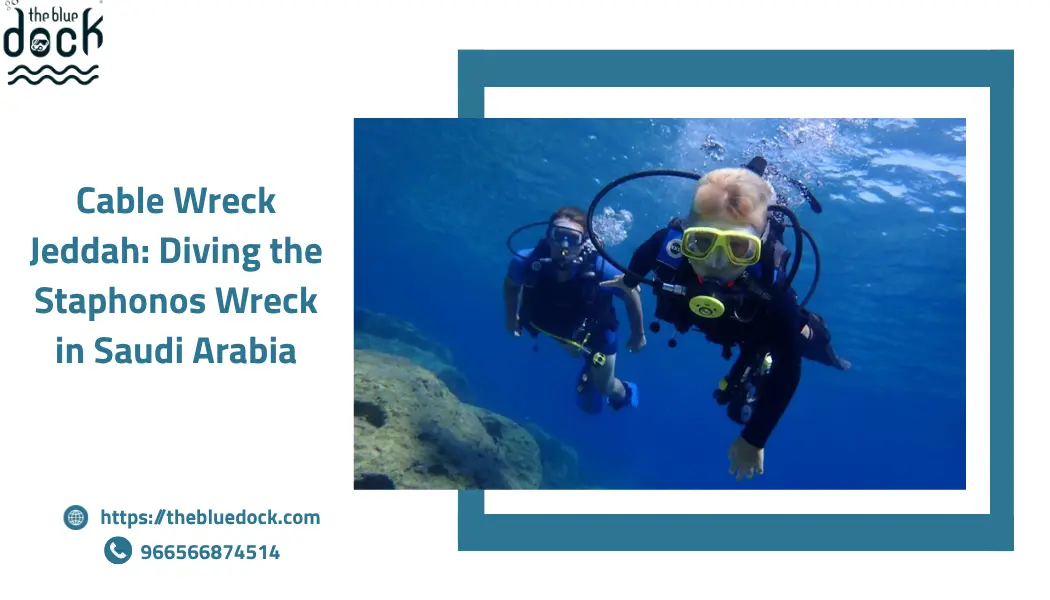
Cable Wreck Jeddah is one of the Red Sea’s notable wreck-diving sites, combining the remains of a vessel that sank in 1978 with coral growth and marine life that have developed around it over the decades.For divers exploring wreck sites near Jeddah, the location offers an opportunity to experience a different side of the Red Sea beyond traditional reef diving. For those researching wreck diving Jeddah, Cable Wreck is one of the offshore sites that combines a historic vessel with the surrounding Red Sea environment.
Originally known as the Staphonos, the vessel sank while carrying construction materials including steel beams, cables and chain-link fencing. The cargo eventually gave the site its better-known name, Cable Wreck. Today, the wreck rests in the Abu Tair area southwest of Jeddah at roughly 24–25 meters, depending on the source and how the site depth is measured.
For divers interested in Cable Wreck diving Jeddah, the attraction goes beyond the ship itself. The combination of a historic wreck, scattered cargo, coral growth, marine life and changing current conditions makes the site distinctly different from a standard reef dive.
If you are planning to explore the site with a Diving Center in Jeddah, it is also important to understand the type of dive involved, the approximate depth, the conditions that may affect the experience and whether your current certification and diving experience are appropriate for the site. Understanding these factors before the trip can help you prepare for a wreck dive while making the most of the Red Sea environment around the Staphonos.
What Is Cable Wreck Jeddah?
Cable Wreck is the name commonly used for the wreck of the Staphonos, a vessel that sank near Jeddah in 1978.
References describing the site report that the ship was carrying construction materials such as steel beams, cables, chain-link fencing and asbestos sheets when it sank. Those materials became scattered around the vessel and contributed to the name Cable Wreck.
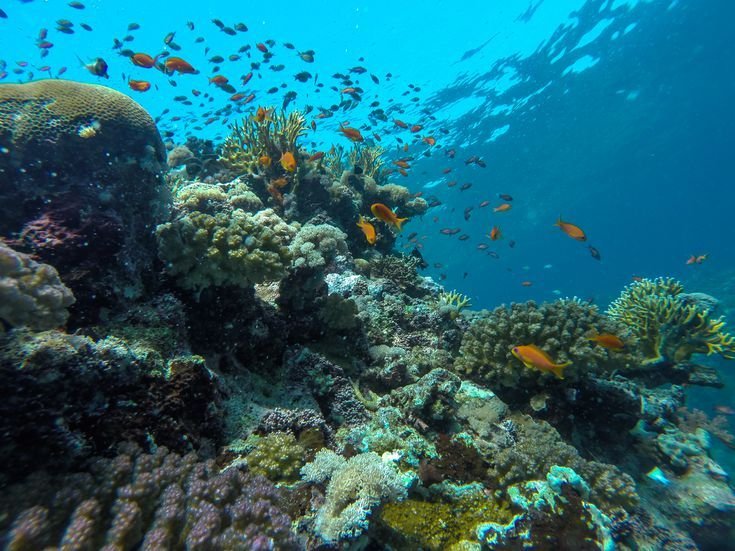
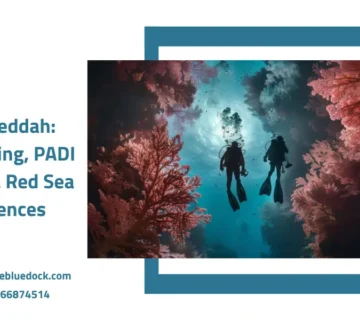
The wreck has since become part of the surrounding underwater ecosystem. Coral has grown across sections of the structure, while fish and other marine life use the wreck and nearby debris as shelter.
That combination gives Cable Wreck Saudi Arabia an identity that is different from a conventional coral-reef dive. The site connects maritime history with the natural Red Sea environment.
Where Is Cable Wreck Located?
Cable Wreck Jeddah is associated with the Abu Tair diving area southwest of Jeddah.
The Saudi Red Sea Authority identifies Abu Tair as a major diving area approximately 15 nautical miles from Jeddah, with Cable Wreck among the site’s notable attractions. Its guide places the wreck at approximately 25 meters. Other dive-site references place the wreck at around 24 meters and locate it near Abu Tair Island.
Because of this offshore location, Cable Wreck is approached as a boat-access dive rather than a typical shore dive.
The journey away from Jeddah takes divers toward an offshore environment where wrecks, coral formations and open-water conditions create a very different underwater landscape.
For broader context on Jeddah’s underwater environment, The Blue Dock presents its current diving experiences through its Diving Center in Jeddah offerings.
What Does the Cable Wreck Look Like Underwater?
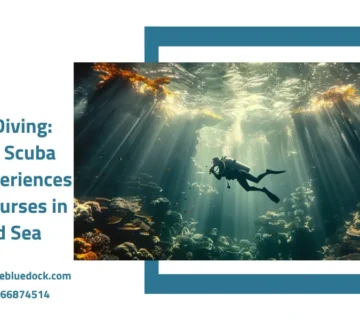
One of the defining characteristics of the site is its depth combined with the amount of natural light that can still reach the wreck.
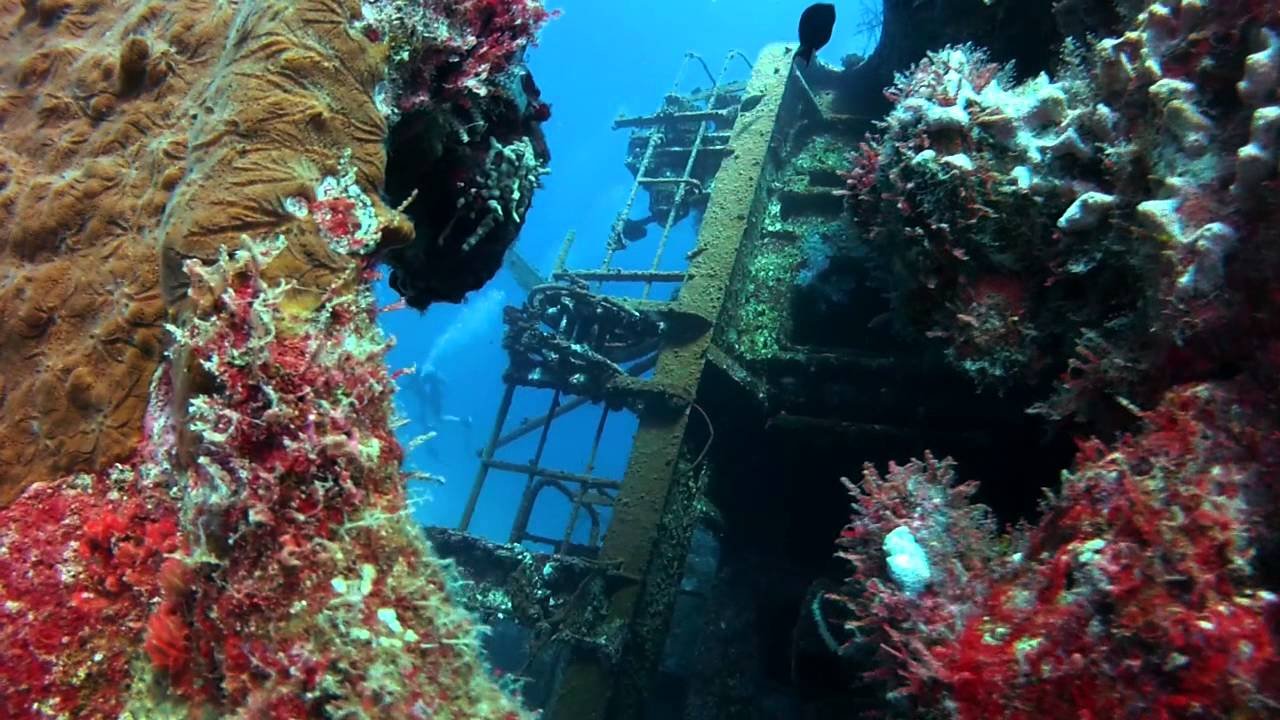
At approximately 24–25 meters, the wreck sits well below the surface, but dive-site references report sufficient ambient light from above to illuminate substantial parts of the site. The wreck lies on its side, with its structure and scattered cargo forming the main features divers encounter underwater.
Steel sections, cables and other cargo remnants are part of the underwater scene, while coral growth has gradually integrated the wreck into its surroundings.
This creates an interesting contrast between:
- The original ship structure
- Scattered construction materials
- Coral-covered surfaces
- Open sandy seabed
- Marine life around the wreck
Rather than appearing as a completely intact vessel, the site feels like a combination of shipwreck, artificial reef and underwater habitat.
Why Is It Called Cable Wreck?
The name comes from the vessel’s cargo rather than its original name.
When the Staphonos sank in 1978, it was carrying construction-related materials that included cables, steel beams and chain-link fencing. Over time, the wreck became known locally and among divers as Cable Wreck.
Knowing the original name is useful when researching the site because different diving references may use Staphonos, Staphonos Wreck, or Cable Wreck to describe the same underwater location.
The cargo story is also part of what makes the site interesting. The wreck is not simply the remains of an old ship; the materials it carried are still part of the underwater landscape.
What Marine Life Can You See at Cable Wreck?
The wreck has developed into a habitat for Red Sea marine life.
Dive references report schools of goatfish and blue-striped snappers, while blue-spotted rays and white-tip sharks have also been associated with the site. Coral growth adds another layer to the wreck, covering parts of the structure and blending it into the surrounding seabed.
For divers interested in underwater wreck Jeddah, this is an important part of the experience.
You are not simply viewing a sunken vessel.
You are seeing how a structure that has spent decades underwater can become part of a functioning marine environment.
Fish gather around sections of the wreck, coral grows across exposed surfaces, and sandy areas around the vessel create space for rays and other marine species.
This combination of structure and marine activity is one of the reasons Cable Wreck continues to attract interest among divers exploring the Jeddah Red Sea.
How Deep Is Cable Wreck Jeddah?
Cable Wreck Jeddah rests at approximately 25 meters below the surface in the Abu Tair diving area southwest of Jeddah, according to the Saudi Red Sea Authority. The same official source identifies the site as a wreck that sank in 1978 and has since developed into an ecosystem with hard and soft corals.
At this depth, Cable Wreck is different from a shallow recreational dive. Depth, bottom time, air consumption and buoyancy control all become important parts of planning the dive.
The appropriate depth for any diver depends on their certification, training, recent experience and the conditions of the specific dive. Current conditions can also influence how demanding the site feels, so the dive should always follow the operator’s assessment and the diver’s established limits.
For divers researching wreck diving Jeddah, the approximately 25-meter depth is one of the factors that makes Cable Wreck a more specific dive-site experience rather than a general shallow-water excursion.
Are the Conditions at Cable Wreck Difficult?
Conditions can vary.
Dive-site references describe currents at Cable Wreck as variable, ranging from mild to strong. On calmer days, the site can be more manageable, while stronger currents can make the dive significantly more demanding.
This is an important part of the Jeddah wreck diving experience.
The difficulty of a wreck dive is not determined by depth alone. Current, visibility, entry conditions, diver experience and the day’s weather can all change how the site feels underwater.
For that reason, divers should follow the operator’s current assessment and remain within the limits of their certification and experience.
A site that seems straightforward in calm conditions may require considerably more skill when the current increases.
Is Cable Wreck Suitable for Beginners?
There is no universal answer because conditions can change.
Some dive references describe Cable Wreck as accessible to a broad range of divers during calm conditions, while stronger current can make it more demanding and potentially appropriate only for more experienced divers.
The wreck’s approximately 24–25-meter depth also needs to be considered.
For someone searching for wreck diving Jeddah, the right question is therefore not simply whether the wreck is “beginner-friendly.”
A better question is:
Does the diver’s certification, recent experience and comfort level match the conditions expected for this specific dive?
That distinction matters because wreck diving combines depth, navigation, buoyancy control and environmental conditions in a way that can be different from a shallow reef experience.
What Makes Cable Wreck Different From a Reef Dive?
Reef diving and wreck diving can both involve coral and marine life, but the underwater experience is built around different features.
A reef is primarily a natural formation.
Cable Wreck is a human-made structure that has gradually become part of the natural environment.
That creates several differences.
- A Defined Underwater Structure
The wreck gives divers recognisable areas to explore instead of a purely natural reef layout.
- Historical Context
The site is connected to a vessel that sank in 1978, giving the dive a maritime history component.
- Cargo Scattered Around the Wreck
The cables, beams and other materials associated with the original cargo remain part of the character of the site.
- Marine Life Around a Wreck
Fish and coral use the structure and surrounding seabed, creating an artificial-reef environment.
That combination makes Cable Wreck particularly interesting for divers who have already explored some of Jeddah’s reef environments and want to experience a different type of Red Sea dive.
Cable Wreck and Jeddah’s Wreck-Diving Sites
Jeddah’s offshore waters contain more than one wreck site.
The Saudi Red Sea Authority identifies Cable Wreck at Abu Tair, while other areas around Jeddah contain wrecks such as the Chicken Wreck and Marble Wreck.
That variety is useful when researching dive sites Jeddah because different wrecks provide different depths, structures and diving conditions.
Cable Wreck is particularly distinctive because of its combination of the Staphonos history, construction cargo, coral growth and marine life.
Other wrecks may offer different profiles, so divers interested in Jeddah diving wrecks can approach the region as a collection of separate underwater sites rather than a single wreck destination.
How Does Cable Wreck Fit Into Red Sea Wreck Diving?
Red Sea wreck diving Jeddah offers a different perspective on the region’s underwater environment.
The Red Sea is known for coral reefs and marine biodiversity, but offshore wrecks add human history and structural complexity to the experience.
Cable Wreck illustrates that combination particularly well.
The vessel itself provides the historical element.
The cargo gives the site its name.
Coral growth connects the wreck to the surrounding ecosystem.
Fish and other marine life turn the structure into an active habitat.
And the offshore location makes the boat journey part of the overall diving experience.
For anyone researching Red Sea wrecks Saudi Arabia, Cable Wreck is therefore an important Jeddah-area site to understand.
Planning a Boat Dive to Cable Wreck
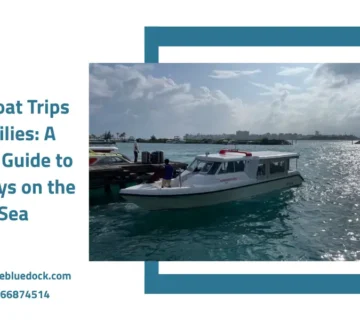
Because Cable Wreck is an offshore site, transportation by boat is an important part of planning the dive.
The Blue Dock currently offers Boat Trips in Jeddah for Certified Divers, with its current boat-trip product describing full-day Red Sea outings for certified divers and other marine activities.
However, a general boat-diving service should not automatically be interpreted as a guaranteed Cable Wreck itinerary.
The specific wreck selected for a trip can depend on weather, sea conditions, diver experience, logistics and the operator’s schedule. For a Cable Wreck request specifically, the site and availability should be confirmed with the operator before booking.
This is especially important for wreck dives because current conditions can influence whether a particular site is appropriate on the day.
What Should You Know Before Diving Cable Wreck?
A few practical considerations are worth keeping in mind.
- Check Your Certification and Experience
The wreck’s depth and variable current mean that your certification level and recent diving experience matter.
- Check the Conditions
Current strength and sea conditions can change the character of the dive.
- Maintain Good Buoyancy
The wreck includes structural sections, cables and scattered materials, so controlled movement and good buoyancy are important.
- Follow the Dive Plan
The goal is to experience the wreck while staying within the planned depth, time, gas and environmental limits.
- Do Not Assume Every Day Is the Same
A wreck that is manageable under calm conditions can become significantly more demanding when the current increases.
These points are especially relevant to divers searching for Cable Wreck diving Jeddah as a specific site rather than simply booking a general Red Sea dive.
Why Divers Explore Cable Wreck
Cable Wreck brings several different aspects of Red Sea diving into one site.
There is the history of the Staphonos.
There is the unusual cargo that gave the wreck its name.
There is the approximately 24–25-meter depth.
There is the coral growth that has developed around the structure.
And there is marine life using the wreck and seabed as habitat.
That combination makes the site different from a simple sightseeing dive.
For divers interested in wreck diving Jeddah, the appeal comes from experiencing an underwater site where maritime history and the natural environment have become closely connected.
Explore Jeddah’s Wreck-Diving Side
Cable Wreck shows another side of the Red Sea beyond the region’s well-known coral reefs.
The former Staphonos sank in 1978 and now rests in the Abu Tair area at approximately 24–25 meters, where its structure has become part of a marine environment populated by coral and fish.
For divers researching Cable Wreck Saudi Arabia, Jeddah wreck diving, or the wider world of Red Sea wreck diving Jeddah, the site offers a combination of history, underwater structure and marine life that makes it distinctly different from a conventional reef dive.
The Blue Dock currently provides diving courses and boat-based Red Sea experiences in Jeddah, including options for certified divers. Before planning a specific wreck dive, the target site, conditions and availability should be confirmed directly with the operator.
You can explore the current Diving Courses in Jeddah to review available training pathways, or Contact The Blue Dock for current information about available trips and dive-site options
Frequently Asked Questions About Cable Wreck Jeddah
What Is Cable Wreck Jeddah?
Cable Wreck Jeddah is the commonly used name for the Staphonos wreck, a vessel that sank in the Red Sea near Jeddah in 1978 while carrying construction materials, including steel beams, cables and chain-link fencing. Over time, coral growth and marine life developed around the remains, making the site a notable destination for divers interested in wreck diving around Jeddah.
Today, Cable Wreck Saudi Arabia is known not only for the history of the vessel but also for the underwater environment surrounding the wreck. Its depth, structure, cargo remains and changing conditions give the site a different character from a typical Red Sea reef dive.
Where Is Cable Wreck Saudi Arabia Located?
Cable Wreck Saudi Arabia is located in the Abu Tair diving area southwest of Jeddah. The Saudi Red Sea Authority places Abu Tair approximately 15 nautical miles from Jeddah, making the site an offshore diving destination rather than a shore-accessible wreck.
Because the wreck is located offshore, reaching it generally involves a boat trip from the Jeddah area. The exact journey time can vary depending on the departure point, boat, sea conditions and route used for the dive.
How Deep Is Cable Wreck Jeddah?
Cable Wreck Jeddah is generally reported at approximately 24–25 meters deep. The exact figure can vary slightly between dive references depending on where the depth is measured and how the site is described.
This depth is an important consideration when planning Cable Wreck diving Jeddah, because divers should take their certification level, experience, gas planning and current conditions into account before attempting the site.
When Did Cable Wreck Sink?
The Staphonos, the vessel now commonly known as Cable Wreck, sank in 1978 near Jeddah while carrying construction materials. The history of the vessel is part of what makes the site interesting for Jeddah wreck diving, as divers can explore the remains of a real shipwreck while observing how the Red Sea environment has developed around it over time.
Why Is It Called Cable Wreck?
The wreck is commonly known as Cable Wreck because the Staphonos was carrying construction materials that included cables, steel beams and chain-link fencing when it sank. The cargo became closely associated with the site and eventually contributed to the name divers use today.
This cargo is also part of what gives the wreck its distinctive underwater character, with scattered materials forming part of the surrounding dive environment.
What Marine Life Can You See at Cable Wreck?
Divers may encounter a variety of Red Sea marine life around Cable Wreck, with reported sightings including goatfish, blue-striped snappers, blue-spotted rays and white-tip sharks. Coral growth and other marine organisms can also be found around parts of the wreck and the surrounding seabed.
Marine life sightings are not guaranteed and can vary depending on visibility, season, current conditions and the individual dive. For this reason, wreck diving Jeddah can offer a different experience on each visit, with the wreck structure and surrounding marine environment providing multiple areas to explore.
Is Cable Wreck Suitable for Beginners?
Cable Wreck diving Jeddah may not be appropriate for every beginner because suitability depends on the diver’s certification, experience, comfort at depth and the conditions on the day of the dive.
The wreck is generally reported at around 24–25 meters, and current conditions can affect the difficulty of the dive. Calm conditions may make the site more manageable, while stronger current can require greater experience and control.
Divers should therefore confirm the site’s current conditions and requirements with their dive professional before planning a Cable Wreck dive.
Is Cable Wreck a Boat Dive From Jeddah?
Yes. Cable Wreck is an offshore wreck-diving site reached by boat from the Jeddah area. Because the wreck is located in the Abu Tair area southwest of Jeddah, divers need a boat trip to reach the site.
This makes it part of the wider Jeddah wreck diving experience, where the journey to an offshore site is part of the overall dive day. Departure time, travel duration and the route can vary according to the boat operator and sea conditions.
Is Cable Wreck Good for Underwater Photography?
Cable Wreck can provide interesting opportunities for underwater photography because of the combination of the wreck structure, scattered cargo, coral growth and marine life around the site. The remains of the Staphonos can provide different subjects and perspectives depending on visibility and the route of the dive.
Natural light can also contribute to the atmosphere of the dive, particularly when visibility is good. However, conditions can change from one day to another, so visibility, current and available light should all be considered when planning a photography-focused Cable Wreck diving Jeddah trip.


No comment